How cargo usually moves between the port and warehouse
The vessel has arrived. The container has not finished moving.
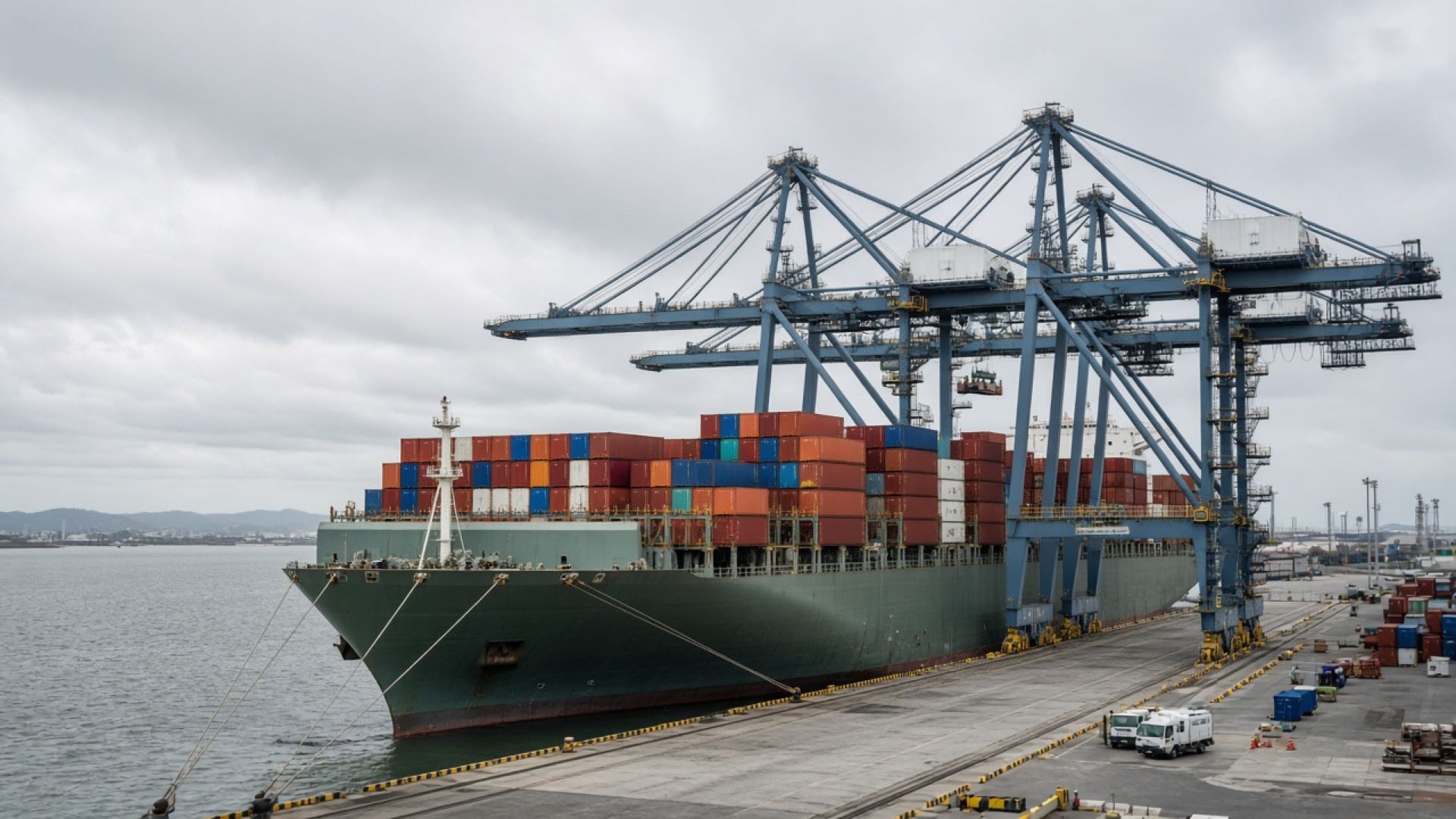
01 / 08
The import starts before the ship arrives.
Form M, the invoice, the packing list, the bill of lading and the PAAR have to describe the same goods. Form M is filed through an Authorised Dealer Bank. The PAAR assesses that file. It is not the declaration, and it is not clearance.
- Importerthe commercial facts and the permits
- Authorised Dealer BankForm M, where it applies
- Supplier and carrierthe invoice, packing list and bill of lading
02 / 08
The ship is in Nigeria. The container is not ready.
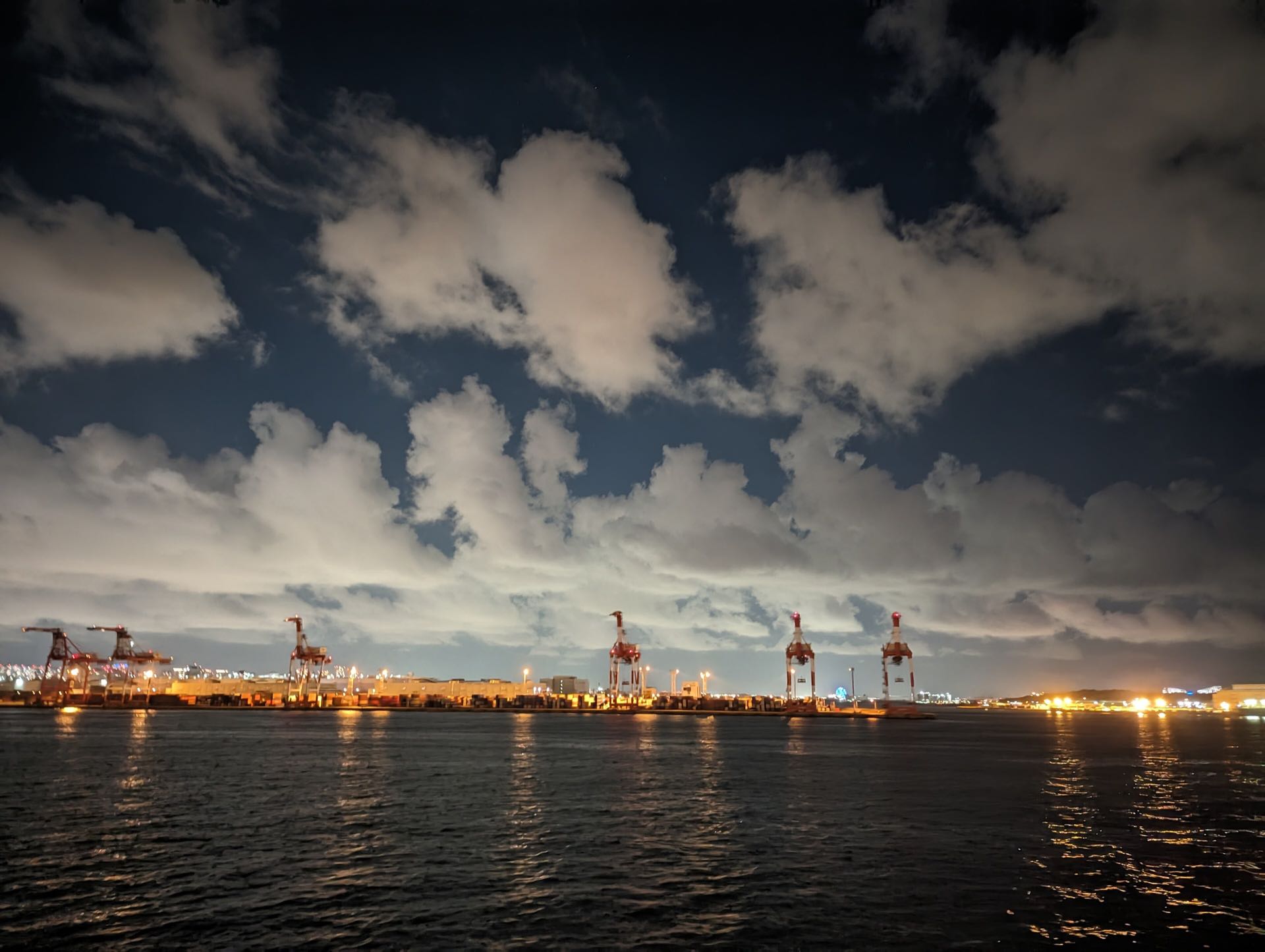
Arrival means the ship is here. The container stays on board until it is discharged.
- Nigerian Ports Authorityport entry
- Terminal operatorthe berth and the handling
- Shipping line or agentthe vessel and the manifest
03 / 08
The container comes off the ship.
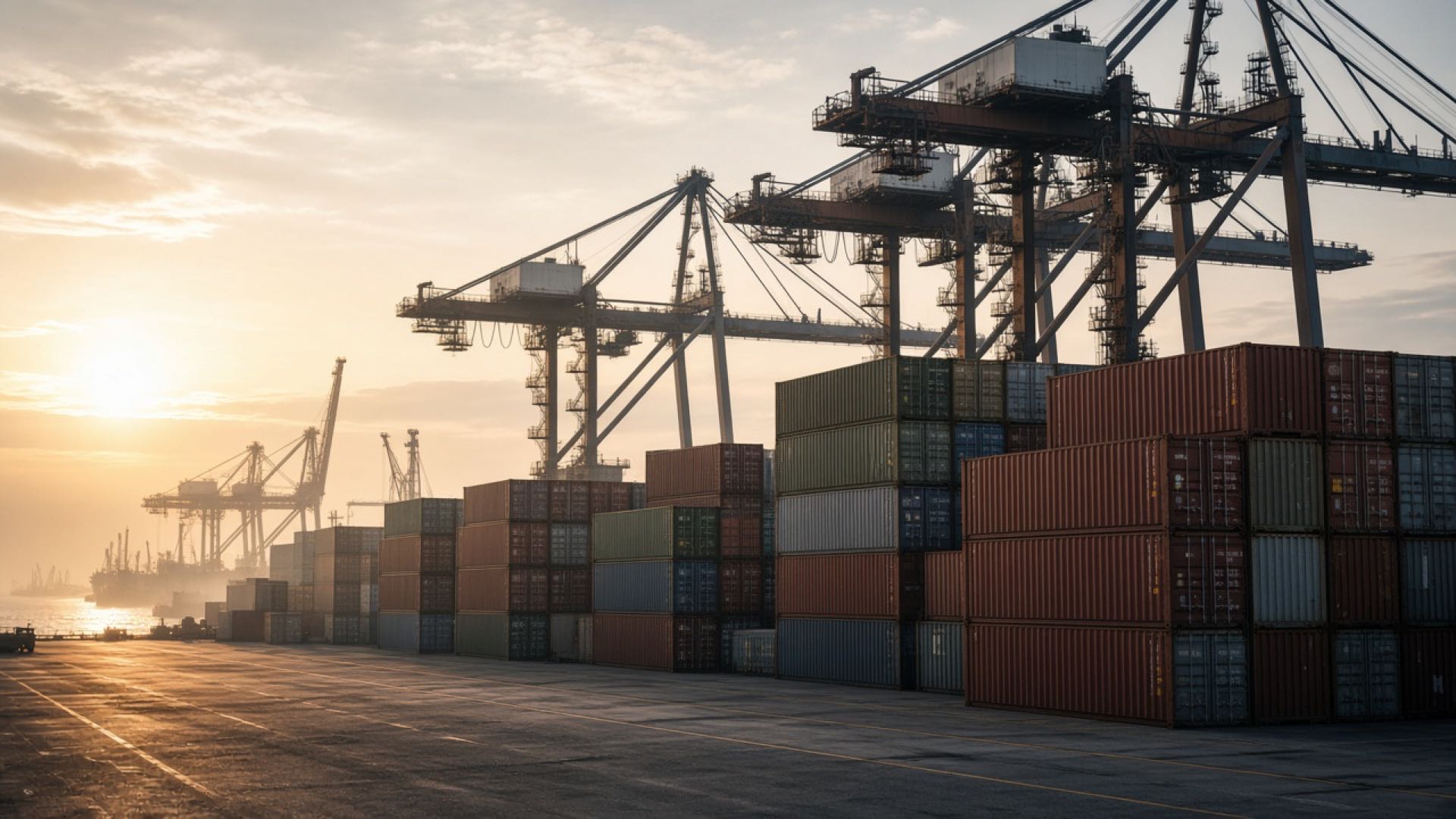
Discharge lifts the container into the terminal stack. That says where it is. It does not clear it.
- Terminal operatorthe lift, the stack and the records
- Stevedores and dockworkersthe labour
- Shipping line or agentthe ship side of the move
04 / 08
The goods are declared.
Nigeria Customs receives a Single Goods Declaration through the UCMS. The description, the HS heading and the value have to match the invoice and the PAAR.
- Importer or licensed customs agentthe declaration
- Nigeria Customs Serviceassessment through the UCMS
- Authorised Dealer Bankwhere Form M and the value must agree
05 / 08
Customs decides what, if anything, to check.
A document review, a scan and a physical examination are different, and none of them is automatic. SON, NAFDAC, NAQS or NDLEA matter only when the goods fall under that agency.
- Nigeria Customs Servicethe assessment and any check it selects
- The agency that covers these goodsonly if one applies
- Importer or licensed customs agentthe file, and attendance if asked
06 / 08
Customs release is not permission to collect.
Customs, the shipping line and the terminal each authorise a different thing. The container stays until the ones that apply are in place.
- Nigeria Customs Servicecustoms release
- Shipping line or agentdelivery authorisation
- Terminal operatorthe exit
07 / 08
The inland move starts.

The container number, the truck, the terminal and the warehouse have to agree. Storage charges depend on the terminal and the line. There is no universal free-time period.
- Importerthe instruction and the address
- Terminal operatorreleasing the box to the truck
- The truck operatorOn an EPL haul, that leg is on EPL’s trucks
08 / 08
The warehouse receives the cargo.
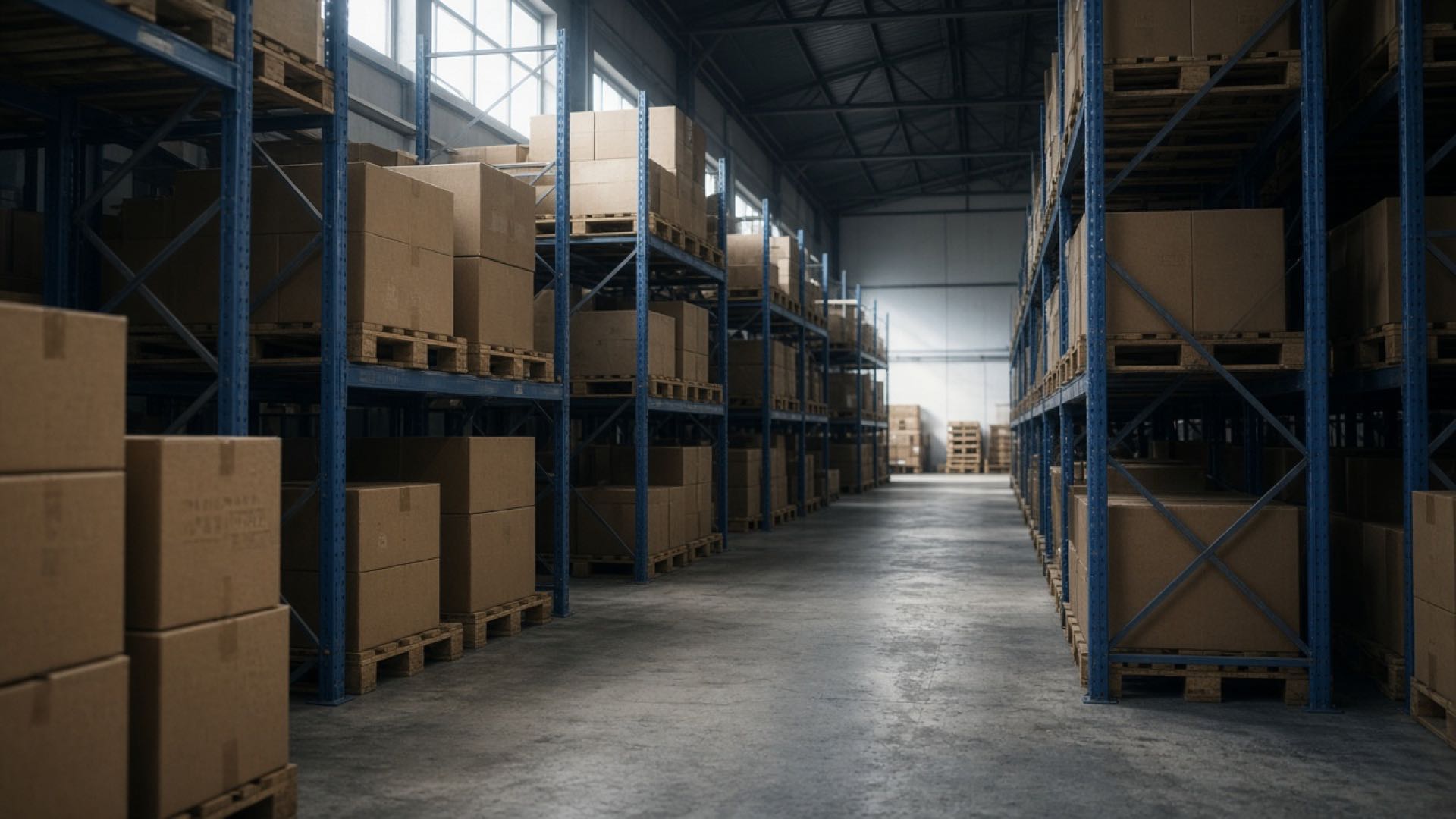
A truck at the gate is not a receipt. The cargo is unloaded, checked, and the empty goes back on the terms for that container.
- The receiveraccess, labour and the check
- The truck operatorpositioning the container
- The shipping linethe empty-return terms
Seven ways an import stalls.
Form M, the commercial documents or a required permit is missing when the ship is already on the berth.
The ship’s arrival is not the finish. Delivery is.